Keep water out, keep slabs stable
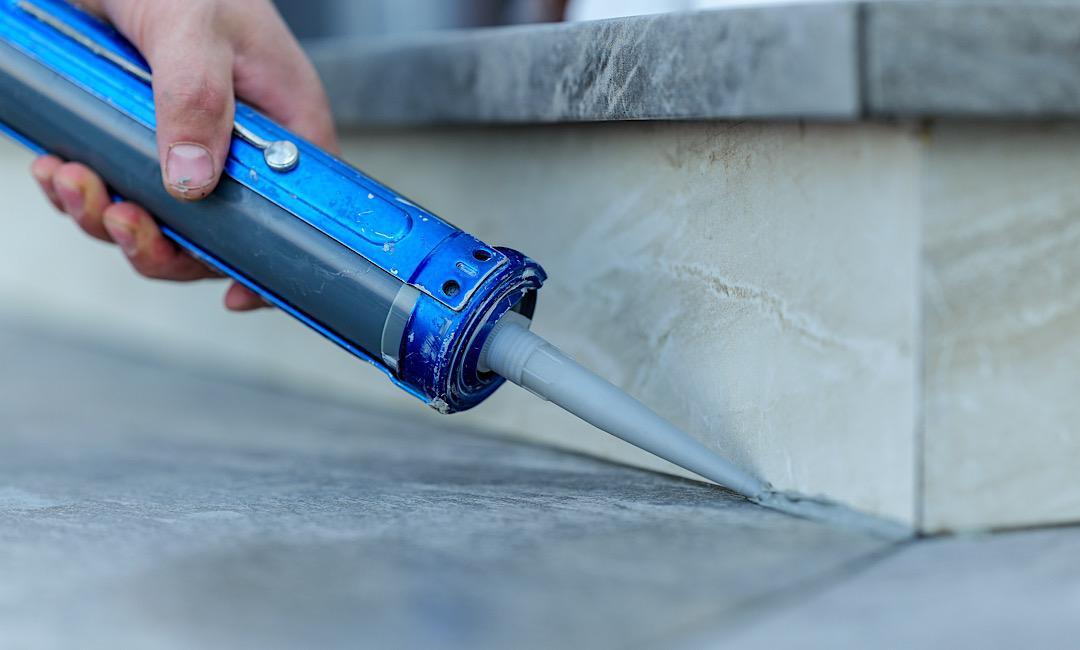
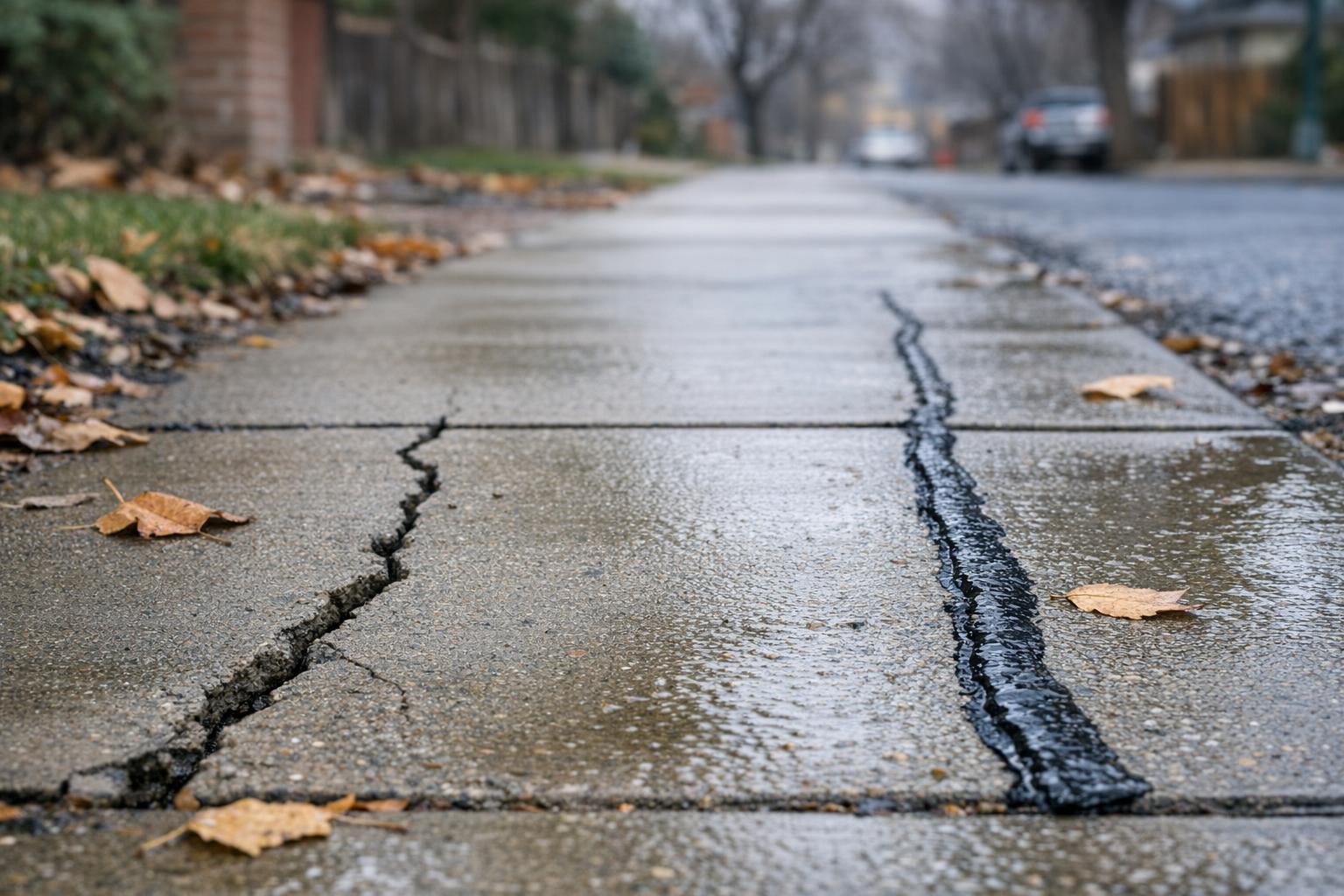
In Denver, a sidewalk crack is rarely “just cosmetic.” Once water gets into a crack, it can wash out support soils, enlarge voids, and accelerate movement when temperatures swing. Crack sealing is one of the simplest ways to reduce moisture intrusion—but only if the crack is the right type, the surface is prepared correctly, and the timing is right for Colorado’s weather patterns.
Why Denver sidewalks crack (and why sealing helps)
Sidewalk cracks usually start with stress the concrete can’t “stretch” through: soil movement, minor settlement, heavy point loads (think delivery carts and dumpsters), and water. In the Front Range, freeze-thaw is the multiplier—water enters small openings, freezes, expands, then thaws and repeats. Over time, that pumping action can widen cracks and break down edges.
Crack sealing works by reducing water entry. Less water in the crack means less freeze-thaw pressure inside it, and less risk of subgrade softening or erosion beneath the slab.
Not all cracks should be sealed the same way
The biggest mistake homeowners make is treating every crack like a caulk joint. The right approach depends on what the crack is doing:
- Stable, hairline cracks: Often cosmetic. Sealing can help keep water and debris out, but it won’t “restore strength.” If the slab is flat and not moving, a conservative seal is mainly preventative.
- Cracks that open/close with seasons: These do best with flexible sealants and good surface prep. Rigid patch materials tend to pop out.
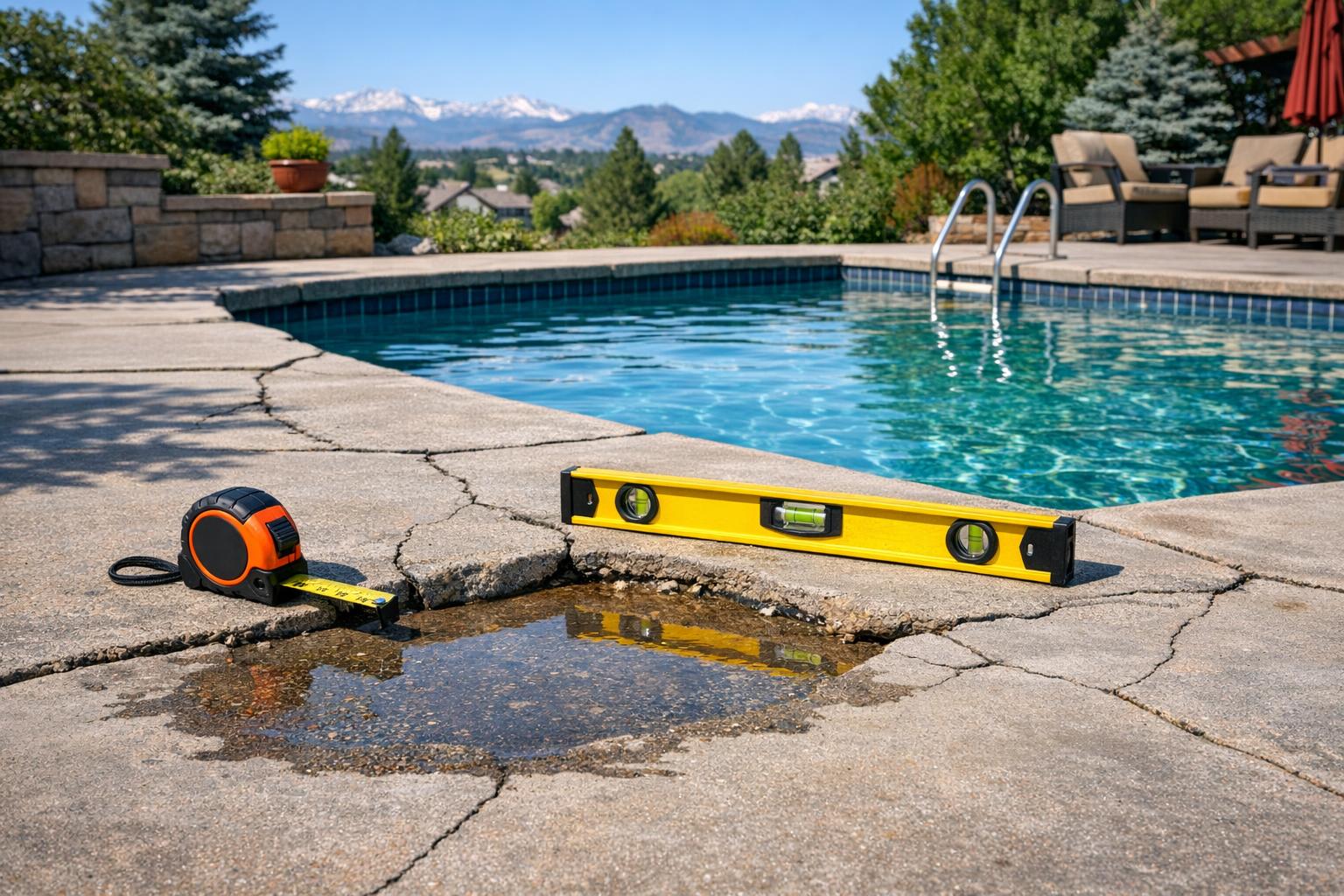
- Cracks with edge drop-off or trip hazard: Sealing alone won’t fix the safety issue. If one panel is lower than the next, the priority is restoring a safe, level walking surface (then seal as needed).
- Cracks with signs of washout/voids: If you notice hollow sounds, new sinking, or water disappearing along a crack, you may be dealing with loss of support below. Sealing helps, but it may be too late as a standalone fix—void filling and lifting can be the smarter long-term move.
A practical homeowner checklist: when sidewalk crack sealing is worth it
If you want crack sealing to actually last through Denver’s temperature swings, start with these checks:
- Is the sidewalk level? If there’s a lip that could catch a toe, prioritize leveling first.
- Does water pool near the crack? Standing water shortens the life of many sealants and increases freeze-thaw stress.
- Is the crack clean and dry? Sealant doesn’t bond well to dust, sandy debris, or damp concrete.
- Are the edges crumbling? If the crack edges are weak, the sealant can peel away as soon as the concrete flakes.
- Is the crack “working” (moving) or stable? Working cracks need a flexible approach; rigid filler is usually short-lived.
Quick comparison table: Sealing vs. leveling vs. void fill
| Approach | Best for | What it does | What it won’t do |
|---|---|---|---|
| Crack sealing | Stable cracks; preventative moisture control | Limits water/debris entry; reduces freeze-thaw intrusion | Fix settlement, eliminate trip hazards, rebuild broken edges |
| Sidewalk leveling (mudjacking) | Uneven slabs; lifted corners; trip hazards | Raises and stabilizes panels to restore a safer walking surface | Stop all cracking forever (movement sources still matter) |
| Void fill (slab support) | Hollow areas; erosion; washout under slabs | Fills empty space under concrete to reduce future settlement risk | Repair surface spalling or heavily deteriorated concrete |
Tip: If your crack is paired with a height difference between panels, fixing the elevation first usually leads to a cleaner, longer-lasting seal.
Timing matters in Colorado: when to seal sidewalk cracks
Sealants and patch materials don’t like surprise snow, morning freezes, or a slab that’s damp from melting runoff. For Denver homeowners, the most dependable windows are typically spring and early fall, when temperatures are more moderate and concrete can stay dry long enough for products to cure properly. Those seasons also align with the goal: reduce water entry before the next stretch of freeze-thaw cycles.
If a crack is actively funneling water under the slab, don’t wait for a perfect week—get it evaluated. A small void can become a larger support issue after a few heavy storms or rapid melt events.
Safety note for DIY crack prep (important)
Many DIY crack-sealing failures start with poor cleaning. If you’re considering grinding, sawing, or routing a crack, be aware that concrete dust can contain respirable crystalline silica. Use dust control methods (wet methods or effective vacuum systems) and appropriate respiratory protection when needed—especially for any dry grinding or cutting.
The Denver-specific angle: soil, drainage, and sudden weather shifts
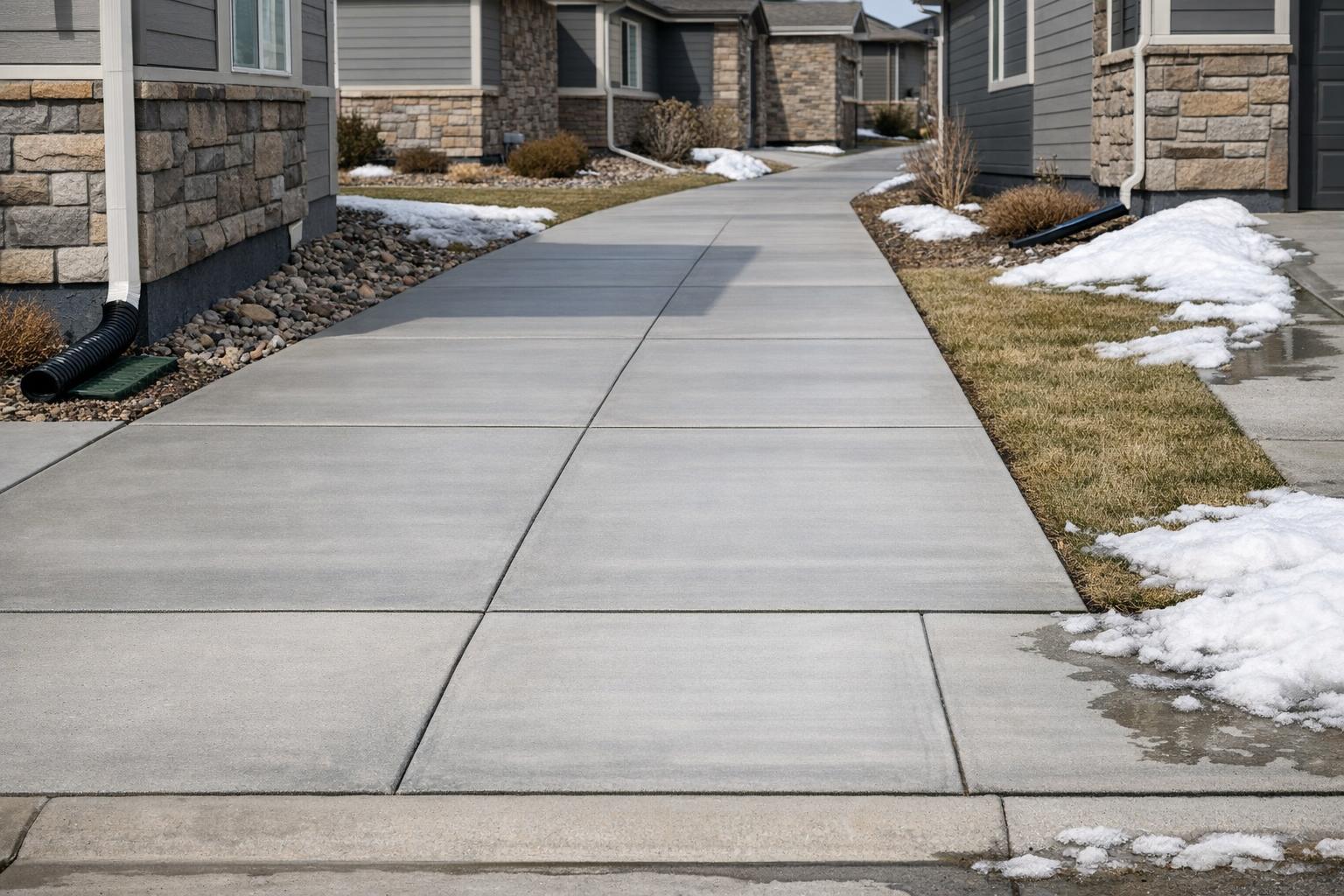
Denver sidewalks deal with a tricky mix: fast-changing temperatures, intense sun exposure at altitude, and neighborhood-by-neighborhood soil conditions. Even where soils aren’t expansive, the big driver is often water movement: downspouts that discharge near slabs, sprinklers that soak the same edge every day, and grading that sends runoff straight across the walk.
If you’re sealing cracks, it’s smart to also fix the “water story” around the slab. Redirect downspouts, adjust sprinkler spray patterns, and keep joint lines clear so water doesn’t sit at the edges. Sealing a crack while water continues to undermine the base is like repainting a wall that still has a leak behind it.
Did you know? Quick facts that help sidewalk repairs last longer
When you should call AAA Concrete Raising
If your “crack sealing” project is really a sign of slab movement—uneven panels, hollow spots, or recurring gaps—getting the base stabilized is often the missing step. AAA Concrete Raising has been serving the Denver metro area since 1988 with minimally invasive concrete lifting, leveling, and void filling that restores function without the disruption of full replacement.
Prefer to research first? View services and tips on our Concrete Repair Info page or browse our recent work.